Esperanza Securities has announced the introduction of Asia Pacific’s first SFC-permitted tokenized investment model for live entertainment, marking a significant step in the development of regulated tokenized finance for cultural and real-economy assets.
The milestone follows formal permission granted by the Securities and Futures Commission of Hong Kong (SFC) on 13 February 2026, allowing Esperanza Securities to advance its tokenized investment business within a compliant framework. With that approval in place, the company is now introducing a model designed to combine financing, investor access, and community engagement around live entertainment assets.
Under the structure, Esperanza Securities can issue investment tokens through investment funds it manages, giving eligible investors access to entertainment-linked opportunities with lower entry barriers and the ability to trade in secondary markets. The model is positioned not simply as a technology upgrade, but as a new financing architecture for an industry that has historically relied on more fragmented and less accessible capital structures.
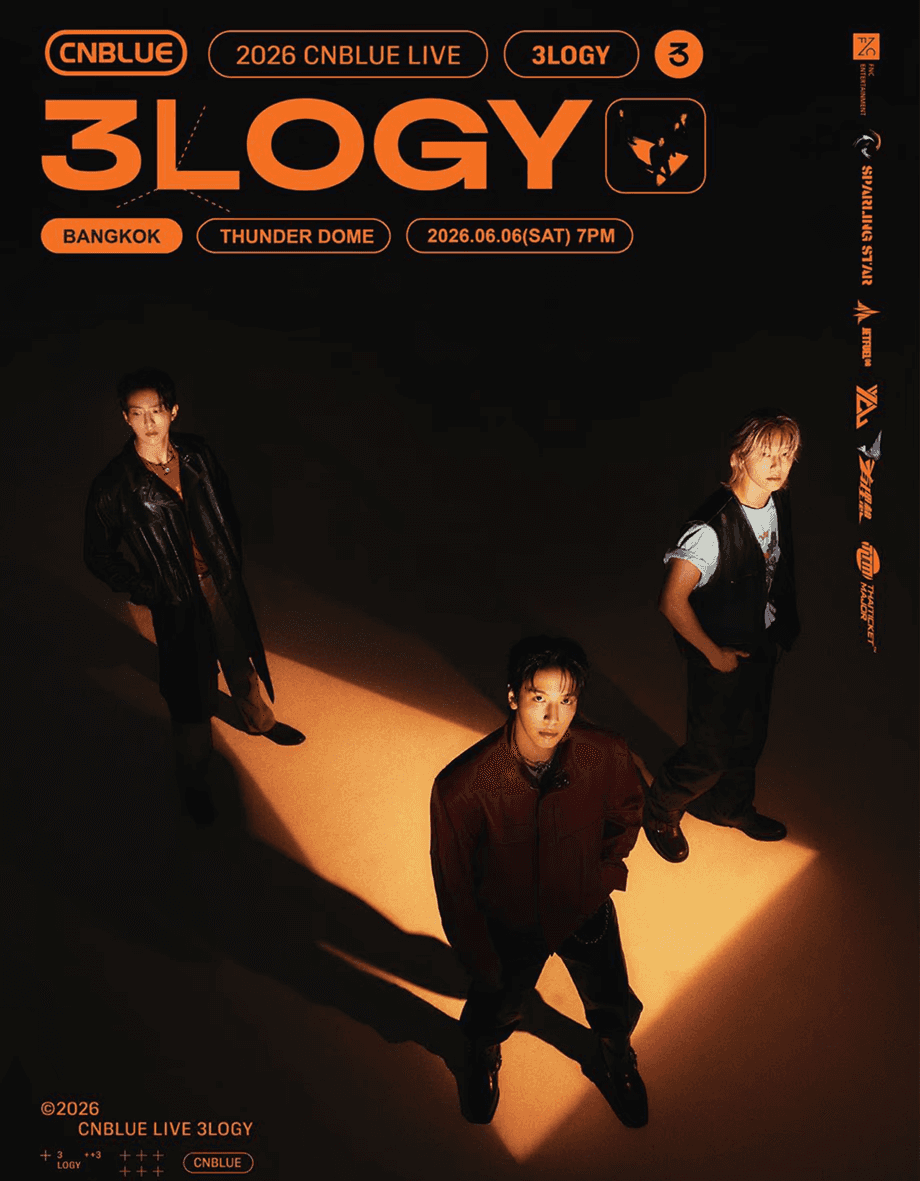
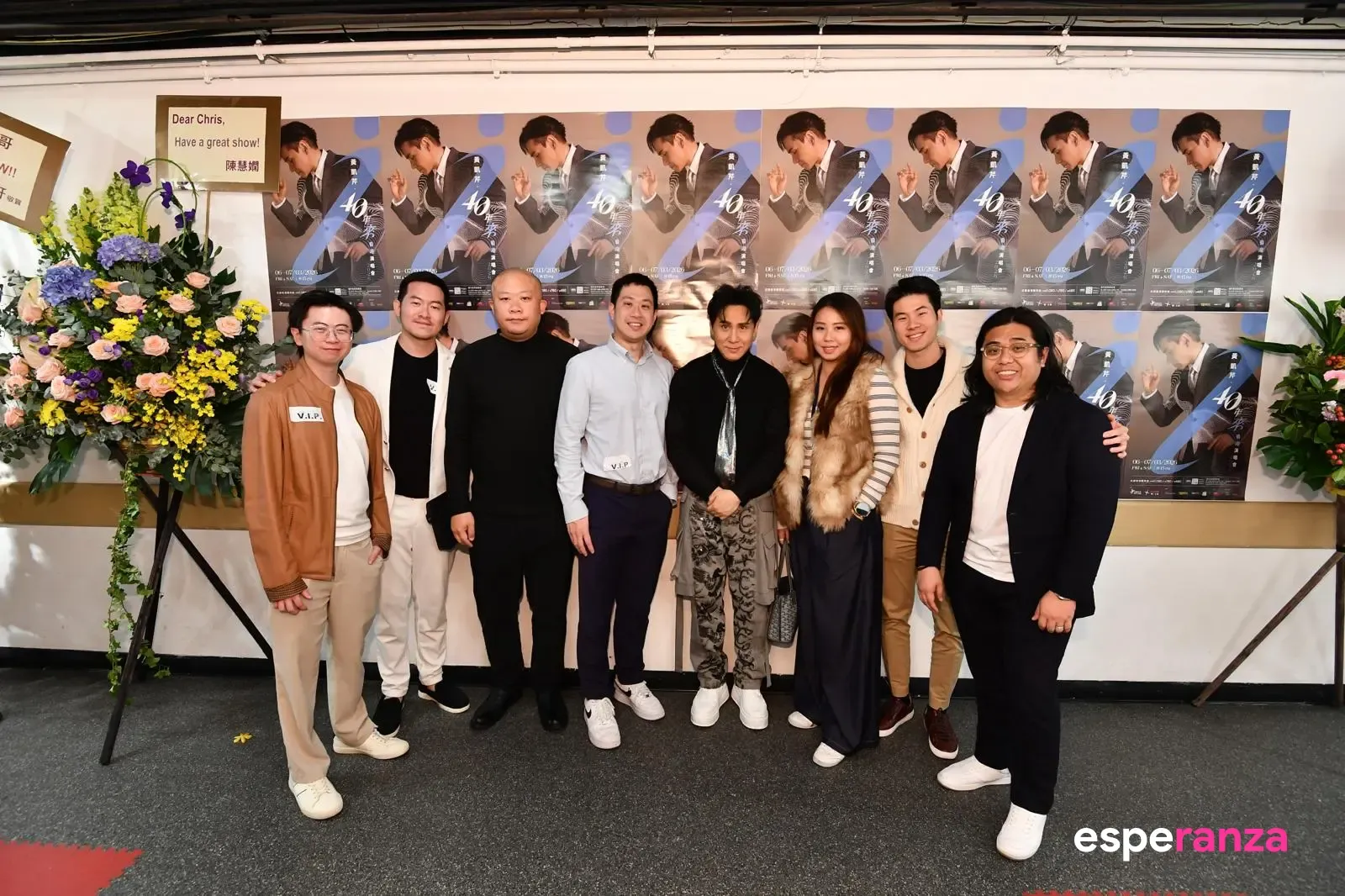
Esperanza identified two of the first projects expected to sit within this framework: the Chris Wong 40th Anniversary Concert in Hong Kong on 6–7 March 2026, and a Korean boy band concert in Kuala Lumpur, Malaysia on 11 April 2026. These projects serve as early examples of how the model can be applied to live entertainment assets with clear revenue structures and established market demand.
According to the company, the significance of the approach lies in the underlying product design as much as in the tokenization layer itself. Live entertainment already operates on identifiable revenue streams — including ticket sales, sponsorship, and merchandise — making it well suited to structured capital participation. Tokenization, in this context, is intended to create a more efficient bridge between asset owners seeking capital and investors seeking exposure to real economic activity.
Esperanza also emphasized that the model is not limited to concerts. In its view, other asset classes with transparent business models, measurable cash flows, and clear monetization logic may also be suitable for tokenized investment structures. These may include cultural and experiential projects, broader entertainment assets, and selected real-economy sectors such as commercial property and intellectual property-linked opportunities.
A core part of the model is Esperanza’s proprietary platform, espetopia.com, which the company describes as a 24/7 digital access layer for eligible investors. Through the platform, investors can review project information, trade investment tokens, and access any associated utilities or experiences connected to the underlying asset. Esperanza sees this infrastructure as a way to connect global investors with Asian opportunities more directly, while increasing the visibility and accessibility of regional real-economy assets.
Looking ahead, the company says it will continue to build its asset-backed tokenized investment model within a prudent and compliant framework. Its broader objective is to establish a sustainable digital investment ecosystem centered on real assets with clear economic foundations. As acceptance of real-world asset digitization continues to grow, Esperanza believes tokenized investment structures may increasingly sit alongside traditional financing routes such as public listings and private placements.
For the wider market, the announcement is notable because it shifts tokenized live entertainment investment from concept toward institutionally structured implementation. More importantly, it frames tokenization not as a speculative overlay, but as a financing model that can be applied to high-quality real assets with existing revenue logic and community engagement.
[Press Room]